
Achieve Flawless Skin: The 5-Step Korean Routine for Oily Skin
Achieving flawless skin can feel like a dream for those struggling with oily skin, but the Korean skincare routine offers a promising solution. By following a simple 5-step regimen, you can tackle excess oil and acne-prone skin with ease. This approach focuses on the best Korean skincare for oily skin, combining effective products and techniques to help you achieve a radiant complexion. With targeted formulations designed to control shine and minimize pores, this routine is perfect for those looking to enhance their skincare game. Get ready to explore the best Korean products for oily skin and large pores, and transform your skincare routine today.## Understanding Oily Skin Care

Oily skin requires specific care to manage excess sebum production and prevent acne. This section explores key ingredients and the benefits of Korean skincare for oily skin types.
Key Ingredients for Oily Skin
Salicylic acid is a powerhouse ingredient for oily skin. This beta-hydroxy acid (BHA) penetrates pores, removing excess oil and dead skin cells. It helps prevent acne and reduces inflammation.
Niacinamide, a form of vitamin B3, regulates sebum production and minimizes the appearance of pores. It also improves skin texture and reduces redness, making it ideal for oily and acne-prone skin.
Tea tree oil, known for its antibacterial properties, helps combat acne-causing bacteria. It also has anti-inflammatory effects, soothing irritated skin and reducing redness associated with breakouts.
Hyaluronic acid, despite its name, is excellent for oily skin. It provides lightweight hydration without clogging pores, helping to balance oil production and prevent dehydration-induced excess sebum.
Benefits of Korean Skincare
Korean skincare routines focus on gentle, layered hydration, which is beneficial for oily skin. This approach helps balance oil production by preventing dehydration, a common cause of excess sebum.
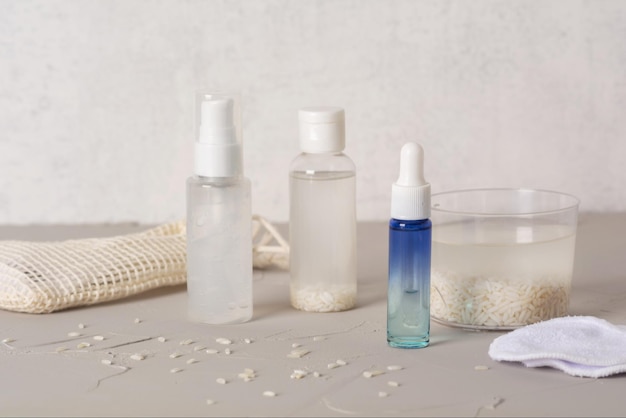
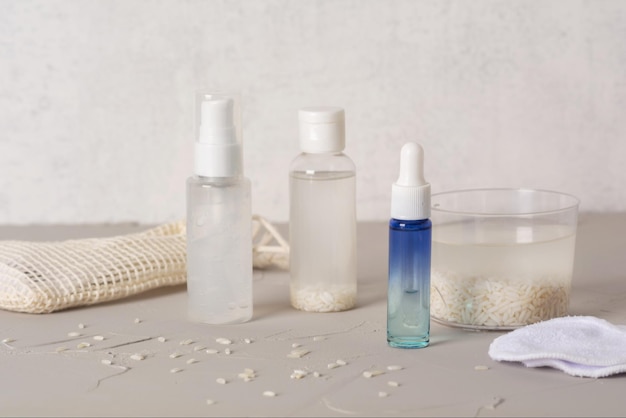
Many Korean skincare products contain natural ingredients like green tea, rice water, and centella asiatica. These ingredients offer antioxidant protection, soothe inflammation, and help control oil production without harsh chemicals.
The Korean approach emphasizes prevention and long-term skin health. This means addressing underlying causes of oiliness and acne, rather than just treating symptoms. It leads to more balanced, healthier skin over time.
Korean skincare also introduces innovative textures like lightweight essences and gel-creams. These formulations provide hydration without heaviness, making them ideal for oily skin types that need moisture without added oil.
The 5-Step Korean Routine
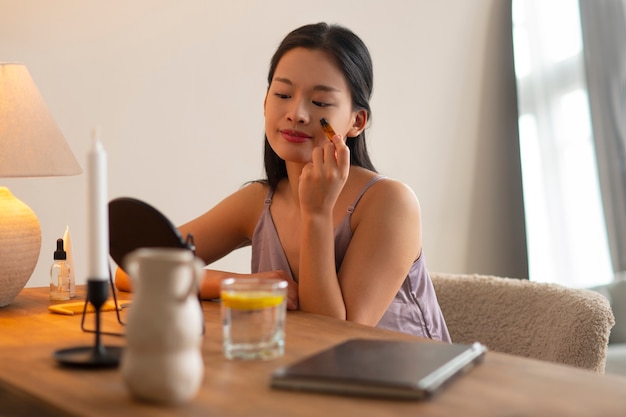
The Korean skincare routine for oily skin involves five key steps: double cleansing, toning, applying serums, moisturizing, and sun protection. Each step plays a crucial role in managing oily skin.
Double Cleansing Essentials
Double cleansing is the foundation of Korean skincare for oily skin. This two-step process ensures thorough removal of oil-based impurities, sunscreen, and makeup, followed by a water-based cleanser to remove remaining debris.
Start with an oil-based cleanser. Despite being oil-based, these cleansers effectively remove excess sebum and oil-based products without stripping the skin. Massage gently onto dry skin, then rinse with lukewarm water.
Follow with a water-based foam or gel cleanser. Look for formulas containing salicylic acid or tea tree oil to combat acne and excess oil. These cleansers help remove water-based impurities and leave the skin clean without over-drying.
Double cleansing prevents clogged pores, a common issue for oily skin types. It also prepares the skin to better absorb subsequent skincare products, enhancing their effectiveness.
Toner for Oily Skin
Toners play a crucial role in Korean skincare for oily skin. They help balance the skin’s pH after cleansing, remove any remaining impurities, and provide a first layer of hydration.
Look for toners containing BHAs like salicylic acid. These ingredients help exfoliate the skin, unclog pores, and control excess oil production. Avoid alcohol-based toners, which can strip the skin and lead to increased oil production.
Many Korean toners for oily skin also include soothing ingredients like centella asiatica or green tea. These components help calm inflammation and redness often associated with acne-prone skin.
Apply toner with clean hands or a cotton pad, gently patting it into the skin. This step prepares your skin for the next products in your routine, enhancing their absorption and effectiveness.
Best Serums for Acne-Prone Skin
Serums are concentrated treatments that target specific skin concerns. For acne-prone, oily skin, look for serums containing niacinamide, vitamin C, or tea tree oil.
Niacinamide serums help regulate oil production, minimize pores, and improve overall skin texture. They’re also effective in reducing the appearance of acne scars and hyperpigmentation.
Vitamin C serums provide antioxidant protection, helping to fight free radical damage and brighten the skin. They can also help fade acne scars and even out skin tone.
Tea tree oil serums offer antibacterial benefits, helping to combat acne-causing bacteria. They also have anti-inflammatory properties, reducing redness and swelling associated with breakouts.
Apply serums after toner but before moisturizer. Use a small amount and gently pat it into the skin for best absorption.
Tailoring Your Routine
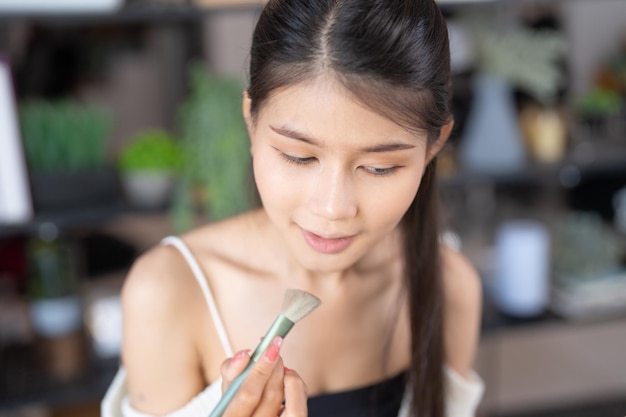
Customizing your skincare routine to your specific needs is key to managing oily skin effectively. This section focuses on choosing the right moisturizer and sunscreen for your skin type.
Choosing the Right Moisturizer
Contrary to popular belief, oily skin needs moisturizer. The right product helps balance oil production and keeps skin hydrated without feeling heavy or greasy.
Look for lightweight, oil-free moisturizers. Gel or water-based formulas are ideal for oily skin types. They provide necessary hydration without clogging pores or adding excess oil to the skin.
Ingredients like hyaluronic acid and glycerin are excellent for oily skin. They attract and retain moisture without leaving a greasy residue. Some moisturizers also contain niacinamide or salicylic acid for added oil control.
Apply moisturizer morning and night, even if your skin feels oily. Consistent hydration helps prevent the overproduction of oil that can occur when skin becomes dehydrated.
Effective Sunscreen for Oily Skin
Sunscreen is crucial for all skin types, including oily skin. However, many people with oily skin avoid sunscreen due to its often heavy, greasy texture. The key is finding the right formula.
Look for lightweight, oil-free sunscreens. Many Korean brands offer “watery” or gel-type sunscreens that absorb quickly without leaving a white cast or greasy residue. These formulas are ideal for oily skin types.
Chemical sunscreens often work well for oily skin as they tend to be lighter in texture. However, if you prefer physical sunscreens, look for micronized or nano-sized zinc oxide or titanium dioxide formulas.
Apply sunscreen as the last step in your morning skincare routine. Reapply every two hours when exposed to sun, or after swimming or sweating. Regular sunscreen use helps prevent hyperpigmentation and premature aging.